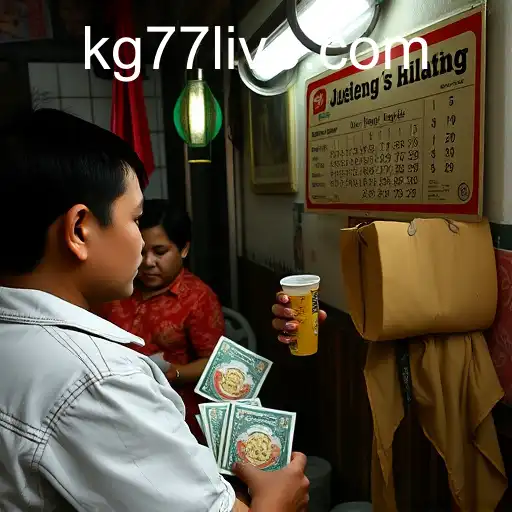
The Intricacies of Jueteng in Philippine Society
In the often vibrant and complex cultural tapestry of the Philippines, Jueteng stands out as a controversial and deeply ingrained institution. Understood as an illegal numbers game, its roots run deep in Philippine communities. Even as authorities continue to grapple with its existence, Jueteng thrives beneath the societal surface, affecting both economy and community dynamics.
The Historical Context of Jueteng
To comprehend why Jueteng remains prevalent, one must first dive into its history. Jueteng's origins can be traced back to the Spanish colonial era, when the culture of gambling began intertwining with local customs. Over time, it became a significant aspect of social and economic life in various regions, particularly in Luzon.
Historically, Jueteng played a role in shaping local economies. Despite its illegal status, it provided livelihood for many Filipinos, acting as a source of income for handlers, collectors, and bettors alike. Its prevalence became possible because of a complex relationship between bettors, the local government, and operatives, which underscored an often-uneasy balance between legal strictures and societal needs.
The Mechanics Behind the Game
Understanding how Jueteng operates requires insight into its mechanics. At its core, Jueteng is a numbers game akin to a lottery. Bettors select a combination of numbers ranging typically from one to thirty-seven, and winners are determined through a draw conducted under the watch of a trusted personnel known as the "cabo." The results of these draws are determined at least twice daily and are eagerly awaited by participants from various walks of life.
The simplicity and speed of the game are part of its allure. Bettors engage with low monetary risks but stand to gain significantly upon winning, which explains its widespread appeal. The operation involves grassroots-level personnel, such as cobradores or collectors, who play an essential role in reaching out to bettors and facilitating the flow of money and information from local neighborhoods to the central operation headquarters, colloquially referred to in some regions with the codename "KG77."
Jueteng and Its Socioeconomic Impact
Jueteng's reach extends significantly into the socioeconomic fabric of Philippine communities. It often serves as a form of recreation and socialization among the populace but also brings about ramifications that are both beneficial and detrimental.
On one hand, Jueteng provides economic opportunities for people who might otherwise remain marginally employed. Its informal economy allows circulation of money and creates jobs, contributing to the sustenance of families. Many see it as a way to achieve financial gains that might not be accessible through traditional employment routes, particularly in rural areas where such opportunities are limited.
Conversely, its existence perpetuates cycles of corruption and instability. With police and local officials reportedly receiving cuts of the operation earnings to "turn the other way," Jueteng engenders a culture where the law can be selectively applied. This challenges the integrity of local governance and complicates efforts to curb illegal gambling.
The Cultural Resilience of Jueteng
Despite numerous governmental crackdowns, Jueteng's resilience lies in its deep cultural entrenchment. Its prevalence manifests in its integration into local traditions and customs, establishing itself as part of community rituals and celebrations. For many, placing a bet becomes a routine as natural as daily chores, making its eradication a profoundly complex undertaking.
This cultural persistence, however, is not merely due to traditionalism but also a byproduct of inadequate legal gambling alternatives that are accessible and equitable to the same swath of people currently invested in Jueteng. The formal structural constraints contribute to its allure, as Jueteng represents a form of populist resistance against institutional inadequacies.
Attempting Resolution and the Journey Forward
Efforts to curtail Jueteng have seen varied approaches, from intensified policing to proposed legalization under regulated systems. Each solution, however, grapples with the need to address not just the symptom but the cause—economic inequity and lack of viable livelihoods.
To effectively manage Jueteng's existence, there must be an emphasis on authenticating the regulatory environment while exploring sustainable livelihood options for communities. This could entail investing in educational opportunities, rural development, and crafting gambling alternatives that reduce the exclusive economic dependence on illegal activities.
Ending Jueteng requires more than just legal restrictions; it demands a transformative commitment to understanding the intertwined nature of cultural and economic imperatives. This remains an ongoing challenge for the nation, prompting continuous dialogue and action toward a more equitable and just resolution.
In conclusion, Jueteng embodies a multi-faceted dilemma that extends beyond legality into the realm of cultural identity and economic necessity. A nuanced approach built on empowerment and community engagement may pave the road towards addressing its entrenched position within Philippine society.